
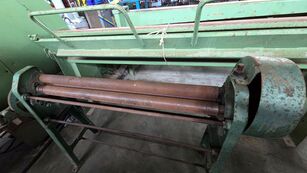
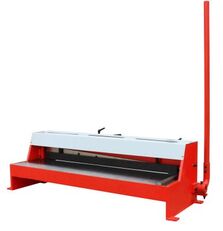
New Schechtl Máquina 3 em 1: Quinadora, guilhotina e calandra guillotine shear




 Marinha Grande

If you decide to buy equipment at a low price, make sure that you communicate with the real seller. Find out as much information about the owner of the equipment as possible. One way of cheating is to represent yourself as a real company. In case of suspicion, inform us about this for additional control, through the feedback form.
Before you decide to make a purchase, carefully review several sales offers to understand the average cost of your chosen equipment. If the price of the offer you like is much lower than similar offers, think about it. A significant price difference may indicate hidden defects or an attempt by the seller to commit fraudulent acts.
Do not buy products which price is too different from the average price for similar equipment.
Do not give consent to dubious pledges and prepaid goods. In case of doubt, do not be afraid to clarify details, ask for additional photographs and documents for equipment, check the authenticity of documents, ask questions.
The most common type of fraud. Unfair sellers may request a certain amount of advance payment to “book” your right to purchase equipment. Thus, fraudsters can collect a large amount and disappear, no longer get in touch.
- Transfer of prepayment to the card
- Do not make an advance payment without paperwork confirming the process of transferring money, if during the communication the seller is in doubt.
- Transfer to the “Trustee” account
- Such a request should be alarming, most likely you are communicating with a fraudster.
- Transfer to a company account with a similar name
- Be careful, fraudsters may disguise themselves as well-known companies, making minor changes to the name. Do not transfer funds if the company name is in doubt.
- Substitution of own details in the invoice of a real company
- Before making a transfer, make sure that the specified details are correct, and whether they relate to the specified company.
Seller's contacts


 Portugal, Marinha Grande
 Portugal, Marinha Grande
 Portugal, Marinha Grande


 Portugal, Marinha Grande
 Portugal, Marinha Grande
 Portugal, Marinha Grande


 Portugal, Marinha Grande


 Portugal, Ramalhal


 Portugal, Sintra


 Portugal, Ramalhal


 Portugal, Ramalhal


 Portugal, Sintra


 Portugal, Ramalhal


 Portugal, Sintra


 Norway, HEIMDAL


 Czechia


 Austria, Wiener Neudorf


 Austria, Wiener Neudorf


Função: Corte reto de chapas metálicas
Largura de corte: 1250 mm
Espessura máxima de corte: ≈ 2 mm (aço comum)
Lâminas: Aço temperado com ângulo de corte ajustável
Curso de lâmina: Ajuste mecânico ou hidráulico para diferentes espessuras
Bandeja de suporte de chapa: Auxilia na alimentação e no posicionamento
? Uso: Corte preciso de chapas em comprimentos retos antes da formação ou curvatura
? 2. Quinadora (Dobra de Chapa)
Função: Dobra das chapas em ângulo desejado
Largura útil de dobra: 1250 mm
Capacidade de dobra: ≈ 2 mm em aço (depende da resistência do aço e raio mínimo)
Ângulo de dobra: Ajustável conforme necessidade (0° – 135°)
Punção e matriz: Podem ser intercambiáveis para diferentes perfis de dobra
Escala de ângulos: Marcação para precisão de dobras repetidas
? Uso: Dobrar chapas para cantos
vigas leves
caixas
suportes
etc
? 3. Calandra (Curvadora de Chapa)
Função: Curvar chapas para formar cilindros
arcos ou curvas suaves
Largura de trabalho: 1250 mm
Espessura máxima de enrolamento: ≈ 2 mm
Rolos: Três rolos ajustáveis (2 inferiores + 1 superior ou vice‑versa)
Mecanismo de ajuste: Manual por parafusos ou hidráulico (dependendo do modelo)
Diâmetro mínimo de curvatura: Depende da posição dos rolos e espessura da chapa
? Uso: Produção de rolos
cilindros
capôs
tambores
cones (com acessórios)